Architectural Synthetic Roofing vs Traditional Products in the Midwest
Anyone that has actually invested a couple of years enjoying roofing systems age in the Midwest discovers quickly that this region is unforgiving. A roof right here does not encounter one environment. It encounters all of them. January can bring ice dams, wind chill, and hefty snow sitting on the eaves for days. April usually provides freeze-thaw swings and tough rain. Summer season cooks dark surfaces under strong UV direct exposure, then rolls in hail storm and straight-line winds. Autumn goes down leaves right into valleys and gutters, trapping wetness where weak products begin to fail.
That environment fact is the real backdrop for the conversation around building synthetic roof versus traditional materials. Homeowners are no more picking solely on appearance or preliminary cost. They are weighing weight, climate efficiency, maintenance cycles, setup complexity, and exactly how well a roofing will still care for 10 or twenty Chicago-area winter seasons. In higher-end neighborhoods, that discussion gets back at much more details. Individuals want the visual splendor of slate, cedar shake, or tile, yet they also desire a system that does not punish them with continuous upkeep.
The increase of costs artificial roofing is not a fad. It is a reaction to functional problems that traditional roof covering materials have constantly had, particularly in the Midwest.
What "architectural artificial roofing" really means
The term obtains made use of loosely, so it helps to define it. Building artificial roofing typically describes crafted roof items designed to duplicate the look of all-natural slate, cedar shake, or clay ceramic tile while improving effect resistance, minimizing weight, and streamlining installment. Depending upon the maker, these items might be made from sophisticated polymers, recycled composite blends, or other engineered materials.
Not all synthetic roofings are created equal. Some are plainly entry-level alternatives meant to hit a price point. Others are true costs synthetic roof covering products with deep profiles, molded appearance, personalized color mixing, and accessory items that create a finished, encouraging roofline. The difference matters. A deal artificial tile might look flat and repetitive from the road. A durable building product can deceive many people until they are standing a few feet away.
In functional terms, the very best architectural synthetic roof aim to address a difficult formula. They try to preserve the curb appeal of tradition products while reducing several of the obligations that include them.
Why the Midwest changes the equation
A roof covering material that performs well in a completely dry, pleasant environment may dissatisfy terribly in Illinois, Wisconsin, Indiana, or Michigan. The Midwest reveals weaknesses fast.
Natural cedar, as an example, can be gorgeous. Fresh cedar shake has warmth and deepness that homeowners love. However on homes shaded by fully grown trees, specifically near the lakeshore or in recognized suburban whole lots, moisture retention becomes a significant concern. Shakes can mug, split, dim unevenly, and welcome moss or algae development. That does not indicate cedar is an inadequate product. It indicates cedar needs the best setting and mindful maintenance, which not every homeowner is prepared to provide.
Natural slate is an additional example. Properly sourced and installed slate can last a very long time. It carries unparalleled stature. Yet slate is heavy, breakable under foot website traffic, costly to repair, and unrelenting of installation mistakes. In the Midwest, where roofing system replacement commonly adheres to storm events and insurance timelines, searching for teams with true slate experience can be tough. One misplaced action on a cool early morning can fracture pieces that after that require customized replacement.
Asphalt roof shingles, the default choice throughout much of the area, resolve some of these troubles but present others. They come and acquainted, and a quality building asphalt shingle continues to be a practical roofing system for several homes. Still, Midwest hail storm, granular loss, thermal biking, and wind exposure can reduce real-life efficiency compared with what house owners anticipate when they listen to a long service warranty term.
That is why household synthetic roof has taken an expanding area in the market. It rests between goal and practicality.
How artificial roof contrasts to asphalt, cedar, slate, and tile
The best instance for synthetic roofing tiles is not that they beat every traditional product in every classification. They do not. The case is that they usually do better across the classifications that matter most to Midwest homeowners.
Asphalt tiles still win on entrance expense. If spending plan is the initial and overriding worry, asphalt continues to be the most usual response. A property owner changing a regular country roofing after storm damages can often maintain costs within a familiar array with laminated tiles. However the lasting image can change if duplicated fixings, much shorter life span, or visual limitations matter.
Cedar delivers beauty that is hard to fake when it is new. On historic homes and specific building designs, it looks exactly right. Yet its maintenance problem is actual. In areas with heavy tree cover, I have actually seen cedar roof coverings begin revealing irregular wear well before owners expected it. As soon as splitting and dampness biking speed up, the roof covering can go from "weather-beaten and handsome" to "worn out and at risk" faster than lots of people prepare for.
Slate is still the benchmark for eminence, but it brings structural and logistical considerations. Some homes require support to support it. Repair needs skilled hands. Blinking information become important. The product itself can outlast many various other components of your home, but just if the entire system is treated keeping that same degree of care.
Clay and concrete floor tile are less usual in the upper Midwest than in warmer regions, partially as a result of style fit and partly because freeze-thaw conditions can be punishing. Floor tile also adds weight and intricacy, and https://shanevpxj974.publishlane.com/posts/how-artificial-roofs-minimize-maintenance-after-midwest-winter-season-storms it does not make sense on every roofing system structure.
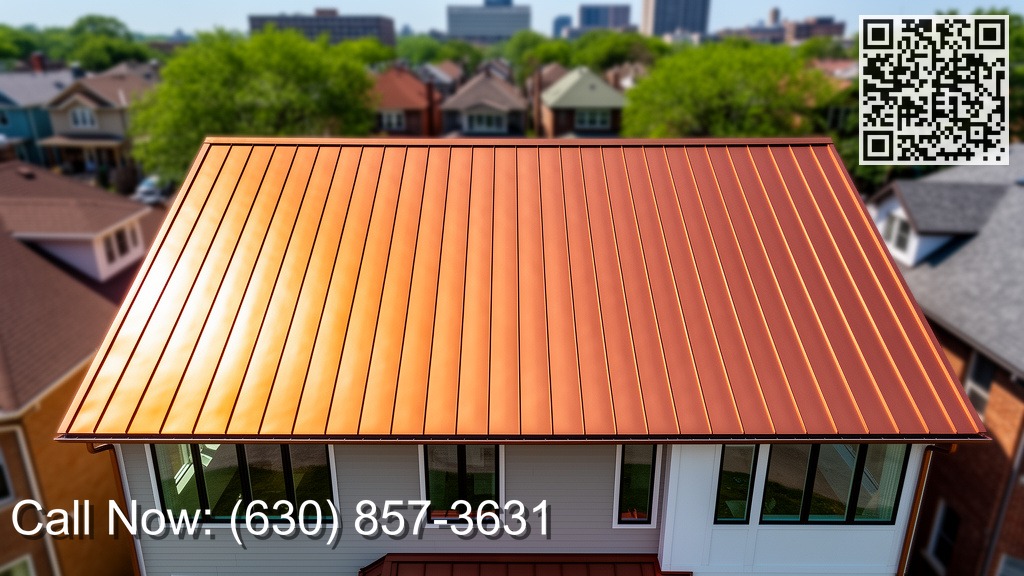
Architectural artificial roof gets in that mix as a lower-weight, typically impact-rated option that can resemble slate or tremble convincingly while tolerating Midwest weather much better than many proprietors expect. A well-chosen artificial roof substitute can supply the aesthetic declaration of a high-end roofing system without forcing the home to carry the structural lots or the exact same maintenance needs of natural materials.
Appearance, and the inquiry property owners hardly ever ask correctly
Most people ask whether artificial roof covering looks "genuine." That is reasonable, yet it is not quite the ideal inquiry. The much better inquiry is whether it looks suitable on the house.
A wonderful roof is not just a separated item. It has to fit the scale, style, home siding structure, stonework color, window trim, and even the profile of the gutters and blinking. Some artificial items have hefty darkness lines and varied sizes that match a Tudor, French country, or lakefront custom home magnificently. Others look also uniform for a premium build and can actually undervalue the exterior if the pattern repeats too obviously.
This is especially crucial with synthetic roofing for deluxe homes. Buyers on top of the marketplace notification details. They may not identify the supplier from the driveway, but they can tell when a roof really feels level, glossy, or out of proportion. The very best costs synthetic roof covering products avoid that issue by mixing widths, shocking exposes, and making use of blended coloration that looks like all-natural aging as opposed to a factory-printed monotone.
In locations such as Naperville, Hinsdale, Lake Woodland, and parts of the North Shore, roofing option usually intersects with architecture testimonial standards, community expectations, and resale positioning. A house owner looking for synthetic roof covering Naperville IL is commonly not looking for the most inexpensive roof offered. They are searching for the best visual result with less frustrations over time.
Weight issues greater than many people realize
Structural lots is not a glamorous topic, yet it drives several roof decisions behind the scenes. All-natural slate and floor tile can evaluate numerous times more than asphalt or lots of artificial options. On a brand-new personalized construct, an architect and engineer can prepare for that from the first day. On an existing home, the tale is different.
I have seen property owners fall in love with the look of slate, just to discover that bringing their mounting up to the required capacity would certainly include a considerable expense before a single roof floor tile was installed. That sort of exploration can thwart a job fast. Synthetic roofing systems typically protect the desired look while staying clear of reinforcement work.
Lower weight also helps in subtler methods. It can decrease stress and anxiety on older framework members, streamline hosting and handling on site, and ensure roofing system styles a lot more practical to implement. It does not remove the need for proficient labor, however it expands what is viable on an existing Midwest home.
Hail, wind, and impact resistance
This is where synthetic roofings typically gain their maintain. In the Midwest, storm performance is not academic. Hail storm insurance claims prevail sufficient that homeowners and insurance firms both pay attention to effect resistance ratings.
Many premium synthetic roof covering items are crafted to achieve high effect resistance, frequently better than natural slate or cedar, which can fracture, split, or swelling under hail storm. That does not suggest an artificial roof is undestroyable. Big adequate hail storm can damage practically anything. Yet on balance, durable synthetic materials have a tendency to take in effect extra forgivingly than breakable all-natural products.
Wind performance is likewise substantial in open suv advancements and on homes near fields, fairway, or lakefront exposures. Typical products can fall short at fasteners, edges, or individual items when uplift pressures find a powerlessness. An effectively designed synthetic roof setup, paired with the correct underlayment and device elements, can do very well in those conditions.
The catch is "effectively developed." A costs product installed thoughtlessly will not meet its pledge. That is why the option of artificial roofer matters virtually as much as the material itself.
Installation quality is not a side issue
Homeowners sometimes shop roof items as if installment were compatible. It is not. An artificial roof covering firm that understands the line of product, regional code requirements, slope shifts, ventilation, blinking information, snow and ice patterns, and manufacturer-specific accessories will produce a substantially different result than a team trying the product for the second or 3rd time.
This comes up often in synthetic roof Chicago tasks. Chicago and the bordering suburbs have a big variety of real estate supply, from portable cottages to steep-roofed historic homes to big personalized residences with complicated valleys, dormers, and intersecting roof covering airplanes. Artificial materials can deal with that range well, but just if design and outlining are done thoughtfully.
An experienced artificial professional roofer Chicagoland property owners trust fund will typically begin by looking beyond the surface area product. They review attic room air flow, deck problem, blinking at masonry changes, seamless gutter strategy, ice-and-water defense, and whether snow guards or specific accessory pieces make good sense. They also take note of visual information. Direct exposure lines, starter placement, ridge treatment, and color selection can make the distinction in between a roof covering that looks fine-tuned and one that simply looks expensive.
When people work with synthetic roof installers based only on the lowest proposal, problems tend to show up in the details first. Misaligned training courses, awkward valley changes, low-cost flashing steels, and inconsistent attachment patterns have a way of appearing within a couple of seasons.
Maintenance facts over time
One of the greatest disagreements for synthetic roof replacement is decreased maintenance compared with natural cedar or slate. That disagreement is generally reasonable, however it needs to be mentioned carefully.
Synthetic roofs are lower maintenance, not no upkeep. Gutters still require cleansing. Valleys still gather particles. Flashings still are worthy of periodic examination. Sealers around relevant roofing system infiltrations will not last for life just because the area material is synthetic. Branches scuffing the roofing system can still develop cosmetic wear. Ice dam concerns can still develop if the attic is poorly protected and ventilated.
What modifications is the susceptability of the area product itself. A synthetic slate or tremble item is generally much less most likely to divide, rot, flake, or split under average seasonal stress than all-natural wood or stone options. For lots of property owners, that lower upkeep profile is the factor. They desire the architectural look without having to infant the roof.
Cost, and where people often misread value
It is simple to contrast roof propositions by checking out the total amount at the bottom of the page. It is harder, and better, to contrast worth over twenty or thirty years.
Synthetic roofing systems typically set you back much more in advance than conventional asphalt shingles. They normally set you back less than top-tier natural slate or premium cedar setups, especially when you consider structural support, specialized labor, and long-term maintenance. That places building synthetic roofing in a middle-to-upper tier that attract home owners planning to stay put, maintain visual appeals, and minimize lifecycle headaches.
The error I see usually is dealing with every artificial option as if it belongs in the same bucket. It does not. There is a genuine spread in product quality, density, realism, guarantee terms, and accessory completeness. Some producers offer durable system-based plans. Others mostly provide area shingles and leave installers to improvisate side and information conditions. That can affect both appearance and durability.
For a home owner comparing proposals, one of the most helpful questions usually include the entire system, not just the noticeable roof shingles or tile.
- What underlayment package is consisted of, especially at eaves, valleys, and penetrations?
- Are flashings being replaced totally, or reused where convenient?
- Does the installer have purposeful experience with this particular artificial product?
- Are ridge, hip, and starter accessories matched to the system?
- How will certainly air flow be attended to as component of the replacement?
Those responses often expose more concerning lasting worth than the product label alone.
Where traditional products still make sense
It would be lazy to pretend artificial roofs are always the most effective response. They are not.
For a strict historical restoration, natural products may be required or simply more appropriate. Some landmarked homes should have genuine slate or cedar because that becomes part of their architectural identification. In other instances, a home owner may truly value the aging and aging qualities of natural products, even knowing the extra upkeep they bring.
Budget also matters. If a family members requires a trustworthy roofing at the most workable upfront expense, a well-installed asphalt system might be the most sensible choice. There is nothing naturally wrong keeping that. Roofing decisions must fit both your house and the house owner's priorities.
There are likewise style constraints. Some homes do not benefit from a synthetic slate or tremble profile because their design is as well plain, too low-pitched, or also modest in range for that material language to look all-natural. A roofing should boost your home, not outfit it.
Where synthetic roof covering tends to shine
The greatest prospects for property synthetic roof covering are homes where appearance issues, tornados are a concern, and the owner wants a longer-term material without the weight and maintenance of typical luxury products.
That typically consists of custom-made homes, upper-end country residences, restored historic-looking homes, and houses with complex roofing geometry where cedar or slate would drive costs greatly greater. It additionally includes home owners who have actually already endured the downside of another material. A person who has actually changed storm-damaged asphalt two times in fifteen years, or invested years preserving an aging cedar roof, tends to understand the appeal quickly.
In the Chicago region, artificial roofing systems have found an especially good fit on homes that want the visual character of quaint products while standing up much better to hail, wind, and winter season wetness. That is true from city communities with masonry-heavy design to western suburbs where big homes sit subjected to weather throughout open lots.
Choosing the appropriate service provider in the Midwest
The material choice and the professional choice must take place together. A great product on the wrong house, or in the wrong hands, can let down. A thoughtful service provider tightens that danger by matching product, incline, flashing approach, air flow, and visual details to the real property.
A capable synthetic professional roofer should have the ability to clarify why one product is a better fit than one more without slipping into sales clichés. They should speak pleasantly regarding freeze-thaw conditions, ice security, attic room air movement, ridge information, snow dropping behavior, and utility years later on. They should also have a profile with homes similar to yours, not simply generic producer photos.
For house owners contrasting an artificial roof covering business versus conventional roofing professionals that only sometimes mount synthetics, experience issues. This group of roof is mature enough now that there is no factor to accept on-the-job experimentation.
The Midwest verdict
Architectural artificial roofing has gained its area due to the fact that it answers an actual regional need. It provides house owners a way to capture the deepness and distinction of slate, shake, or ceramic tile aesthetic appeals without taking in every drawback those materials can lug in a Midwest climate. It is not the most affordable course, and it is not constantly one of the most traditionally genuine course. But it is typically one of the most balanced one.
For numerous homes, specifically those seeking premium curb allure and practical resilience, synthetic roofing systems offer a compelling middle course. They reduce weight, typically boost impact resistance, and reduced routine upkeep while protecting a high-end architectural look. When coupled with a solid design fit and a disciplined synthetic roofing setup, the outcome can be a roofing system that really feels both considerable and sensible.
That balance is what makes artificial roof covering Chicago home owners increasingly request for, and what keeps it growing across the broader area. In a climate that exposes every weakness sooner or later, balance issues. A roofing system has to look right, but it additionally has to maintain proving itself after the novelty is gone, after the tornados come through, and after one more wintertime settles over the Midwest.
When Quality Matters
Salvo Architectural Roofing Contractors
566 West 5th Ave Naperville, IL 60563
(630) 857-3631
 Ask ChatGPT
 Ask Grok
 Ask Perplexity
 Ask Claude
 Ask Google AI
 Ask You